7 products
Sort
Sort
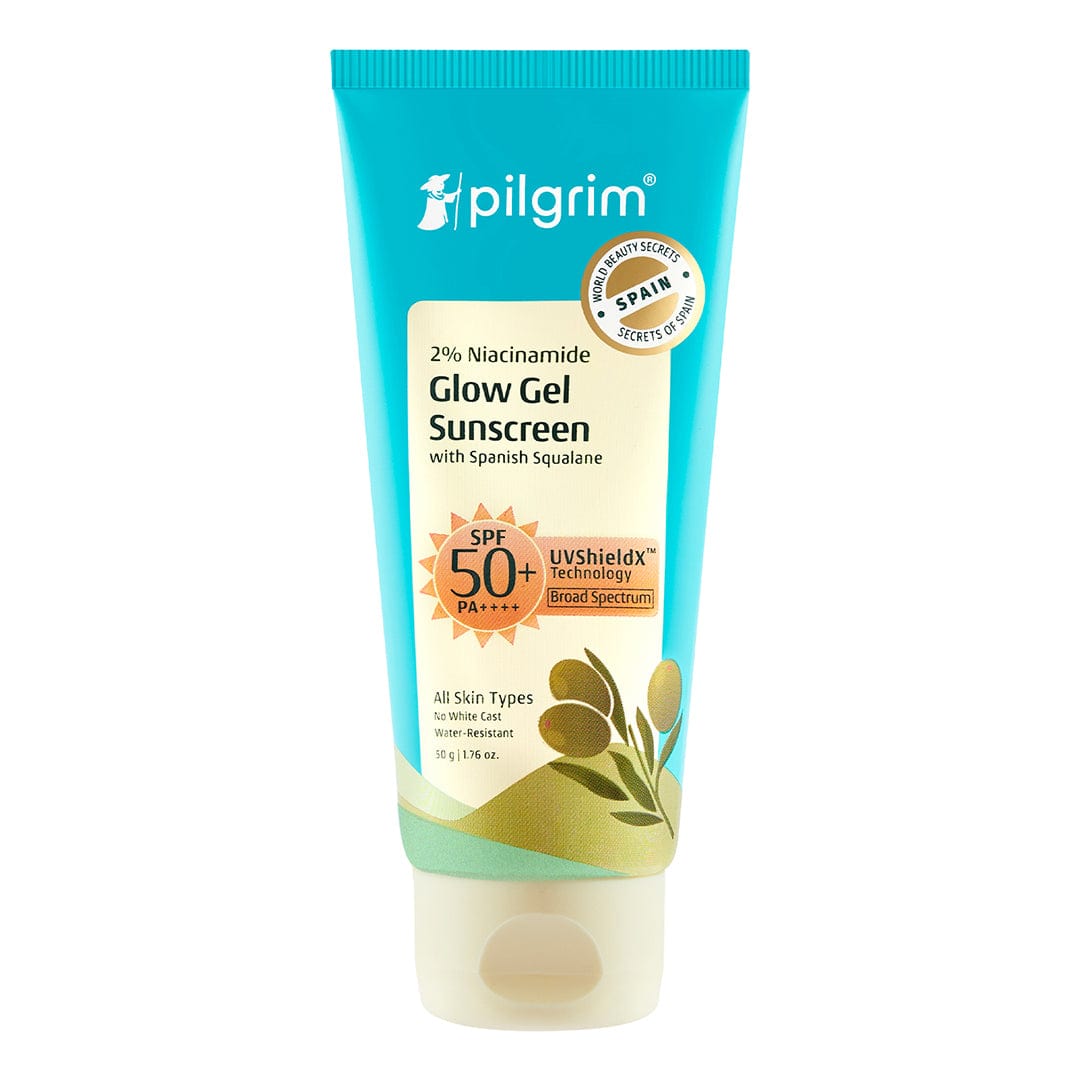
B1G1FREE Sold Out 2% Niacinamide Glow Gel Sunscreen SPF 50+ PA+++

4.8

SPF Protection2% Niacinamide Glow Sunscreen SPF 50

SPF 50+ PA+++ & Gives Glow

50gm
Sale price₹445
B1G1FREE 5% Vitamin C Complex Brightening Serum Sunscreen SPF 50+ PA++++

4.8

New Launch5% Vitamin C Brightening Serum Sunscreen SPF 50+

Protects from Sun Damage & Tanning

50ml
Sale price₹495
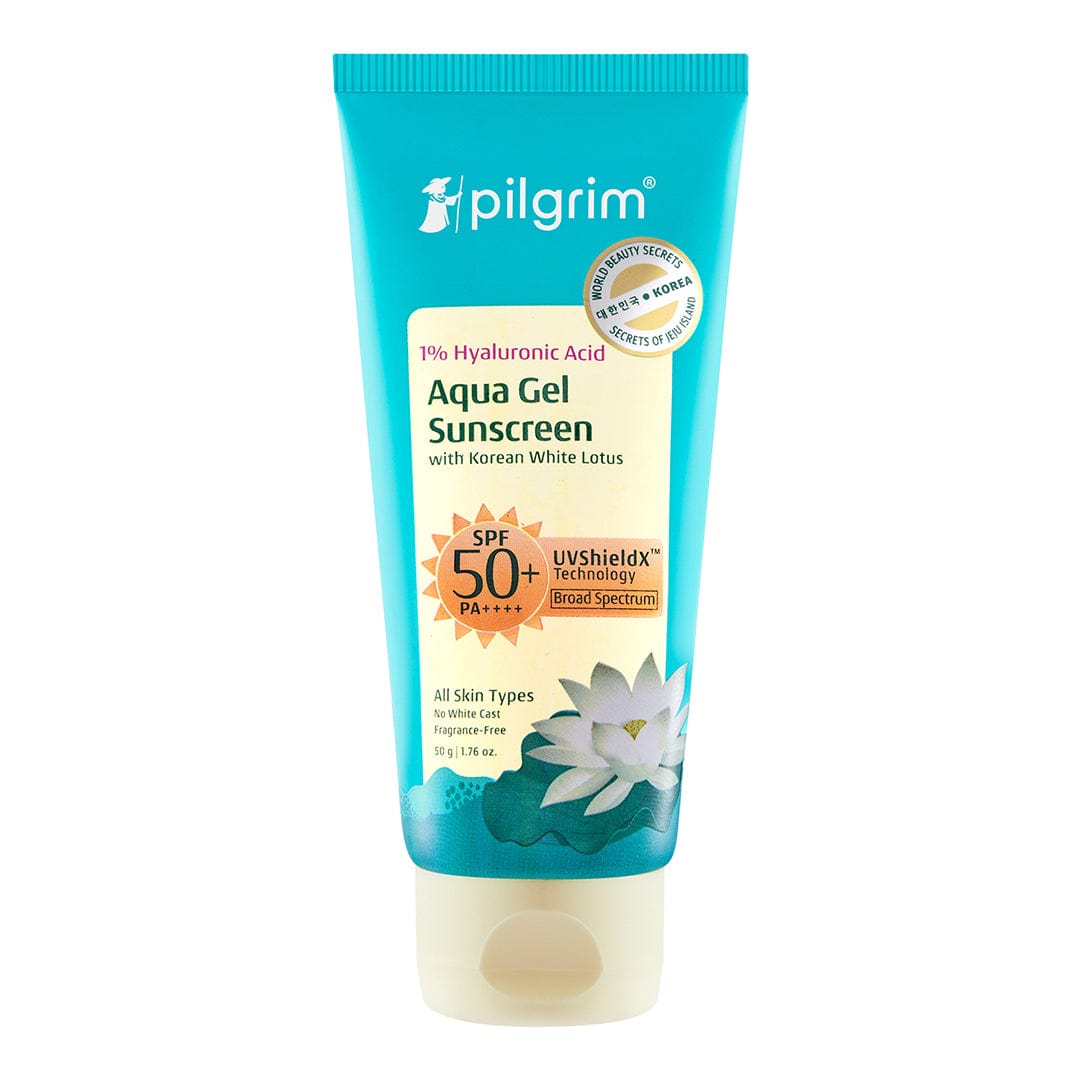
B1G1FREE Sold Out 1% Hyaluronic Acid Aqua Sunscreen Gel SPF 50 PA++++

4.4

SPF Protection1% Hyaluronic Acid Sunscreen Gel SPF 50

SPF 50+ PA++++ & Deeply Hydrating

50gm
Sale price₹395 Regular price₹445 (11% OFF)
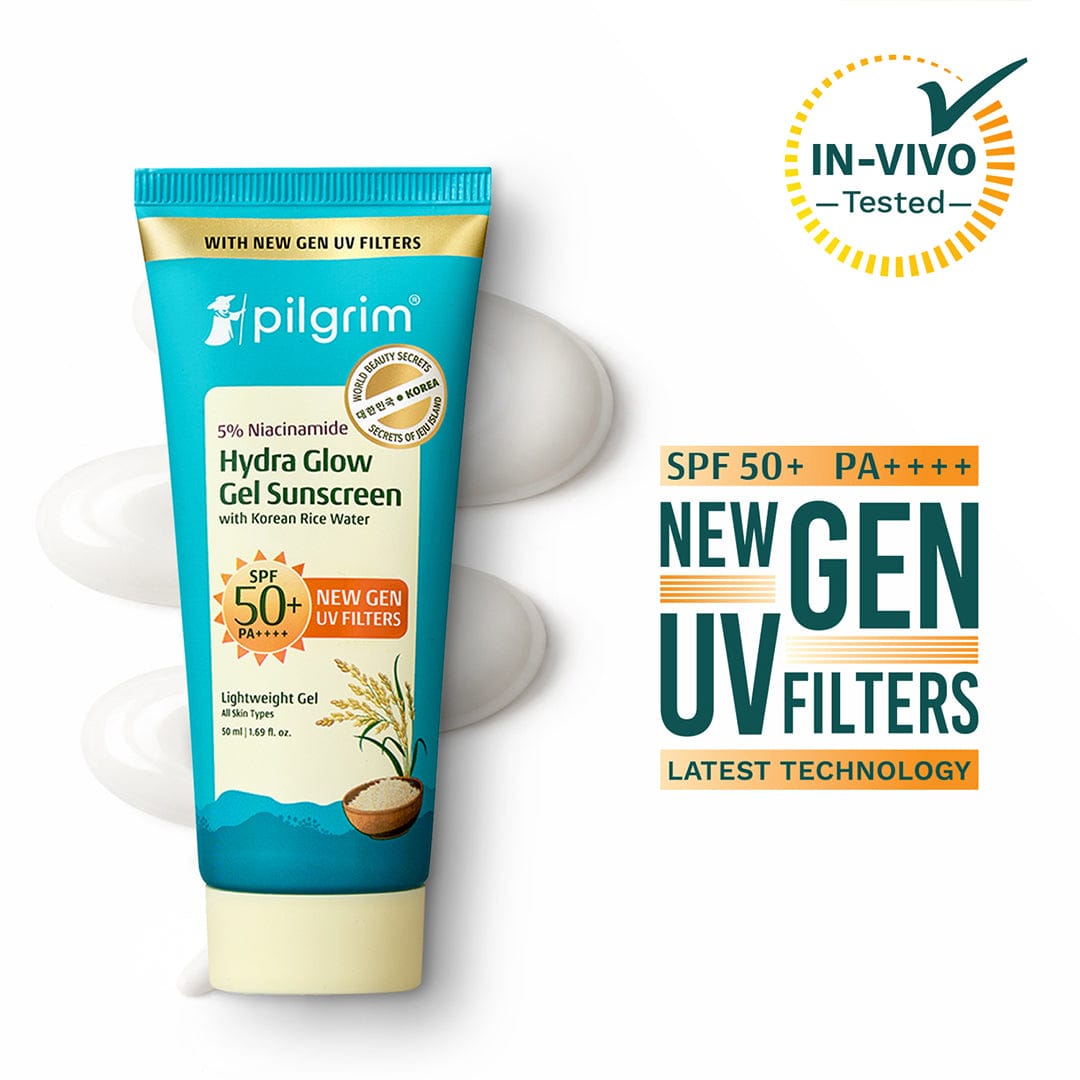
B1G1FREE 5% Niacinamide Hydra Glow Gel Sunscreen SPF 50+ PA++++

4.7

New Launch5% Niacinamide Hydra Glow Gel Sunscreen SPF 50+

Delivers Hydrated Glow

50ml
Sale price₹495
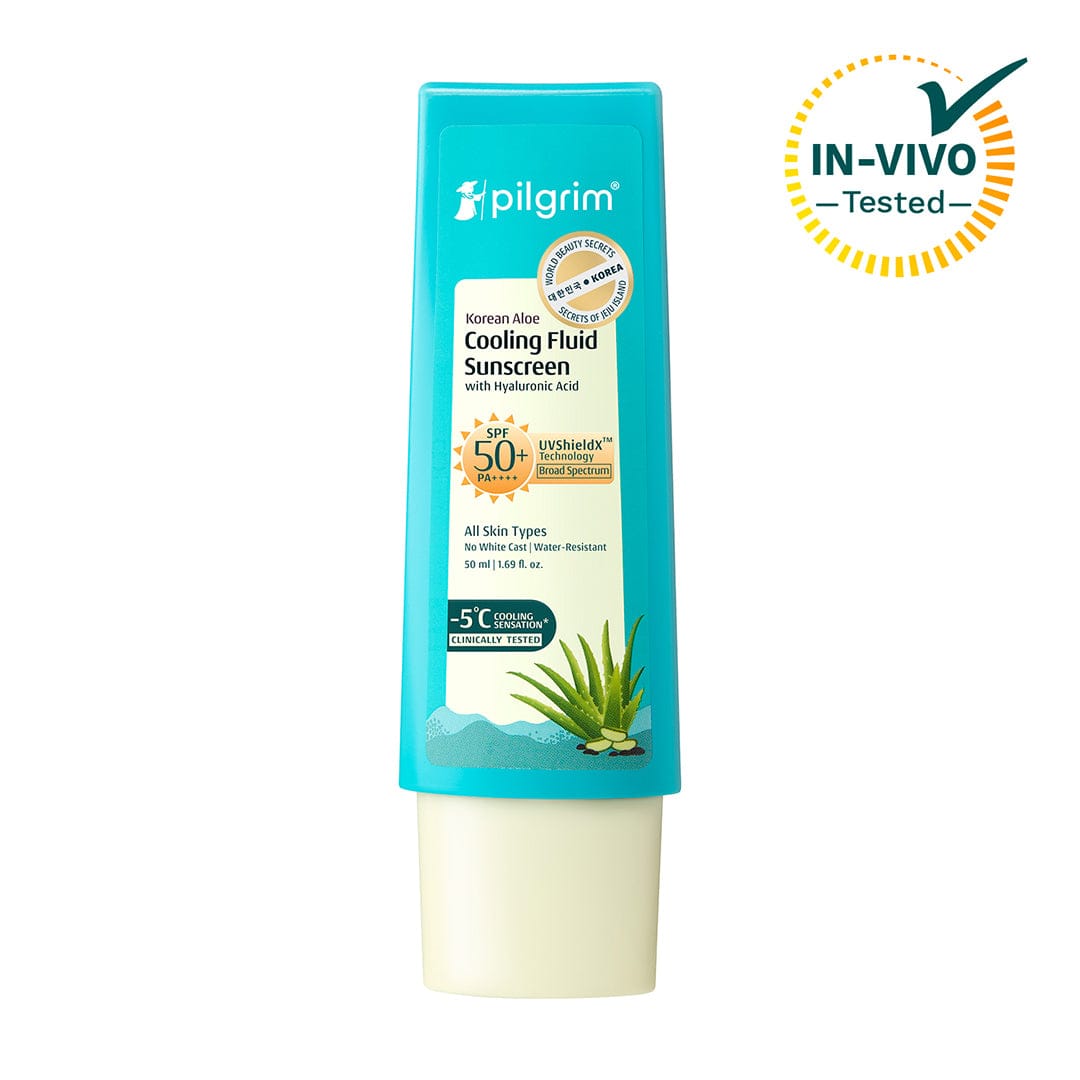
B1G1FREE Korean Aloe Cooling Fluid Sunscreen SPF 50+ PA++++

4.4

In-Vivo TestedKorean Cooling Fluid Sunscreen SPF 50+

-5° C Cooling Sensation

50ml
Sale price₹495
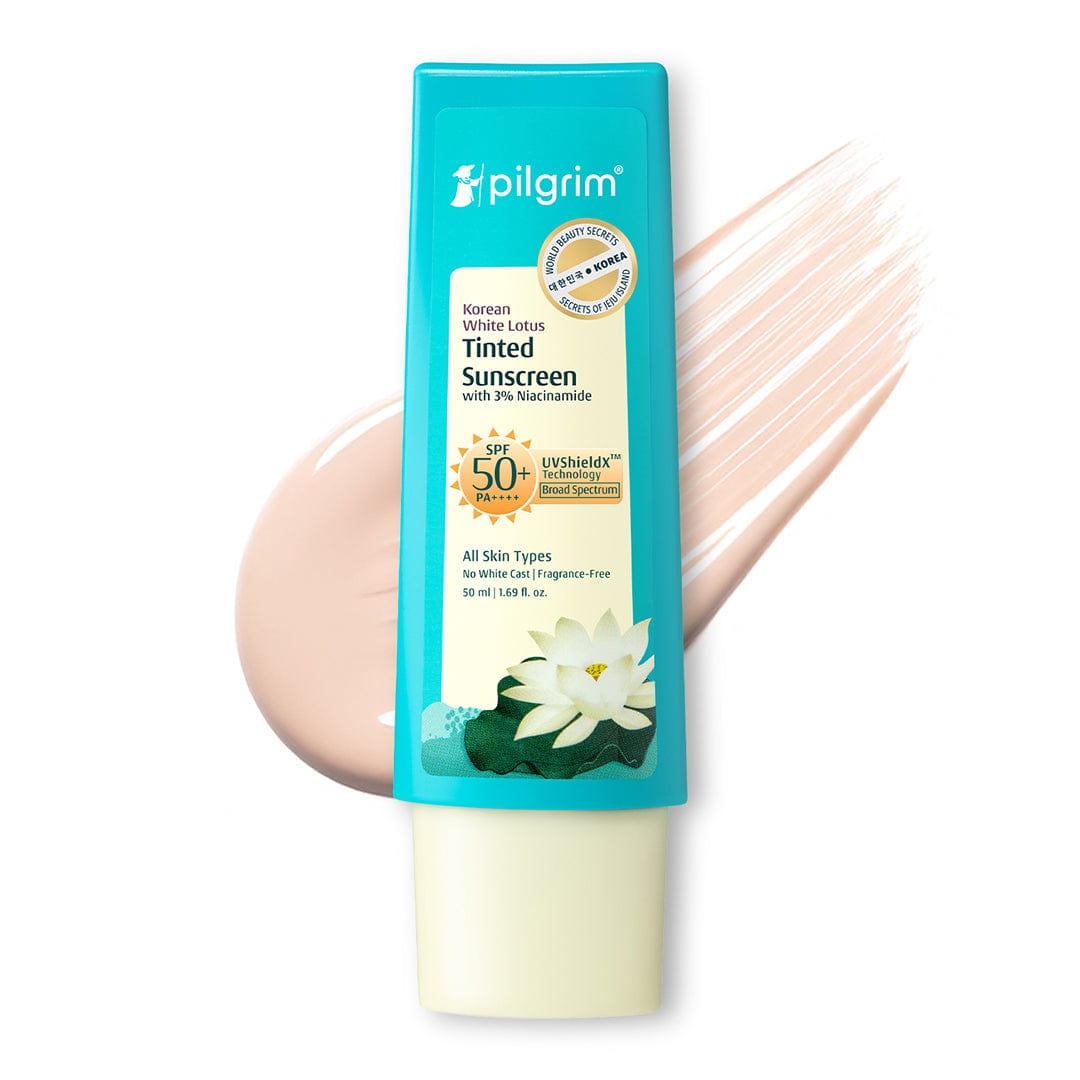
B1G1FREE Korean White Lotus Tinted Sunscreen SPF 50+ PA++++

4.7

#4 in SunscreenKorean Tinted Sunscreen SPF 50+

Natural, Radiant Finish

50ml
Sale price₹495
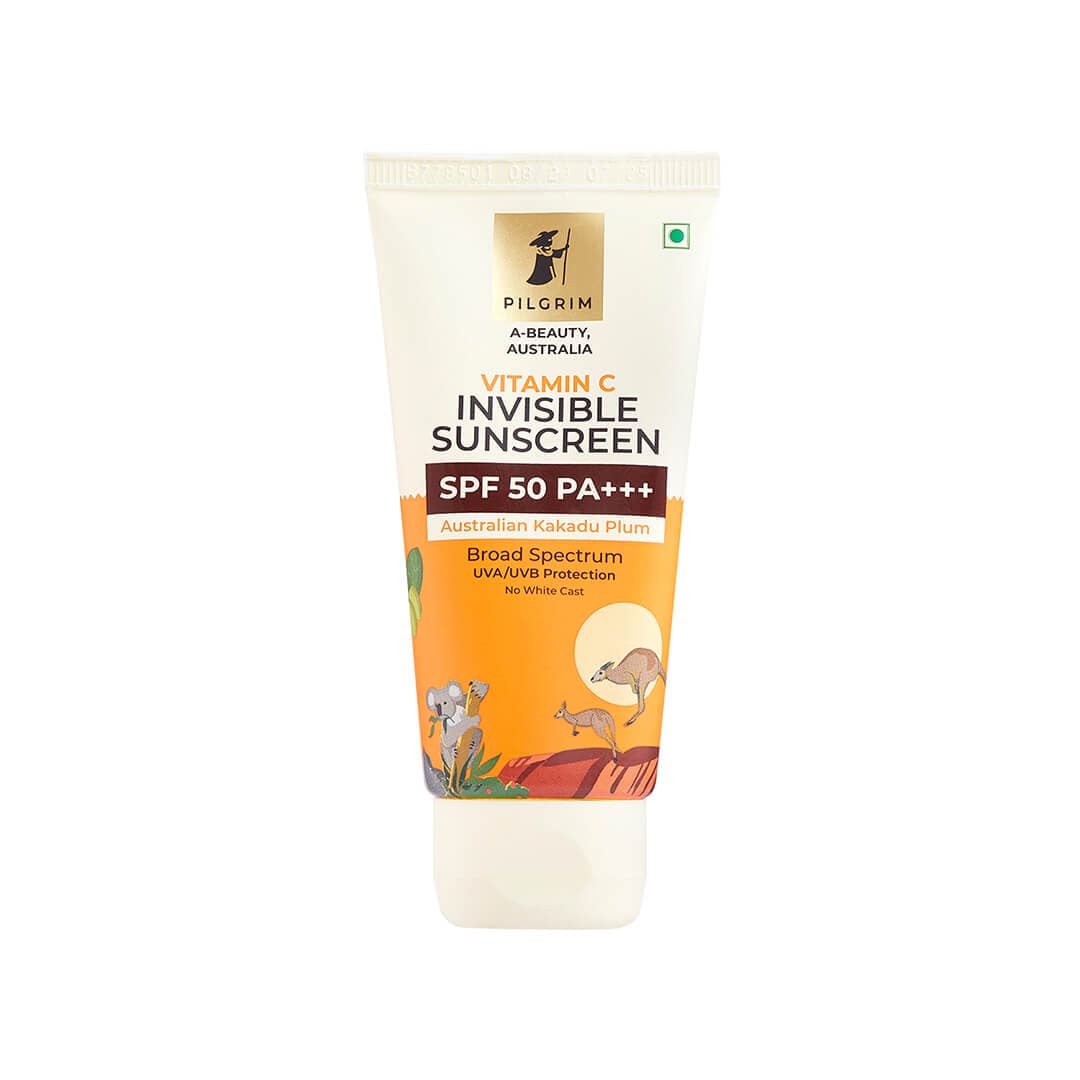
B1G1FREE Sold Out VITAMIN C Invisible Sunscreen SPF 50 PA+++ Australian Kakadu Plum

4.9

SPF ProtectionVitamin C Invisible Sunscreen SPF 50

Protects Natural Glow from UV Damage

45ml
Sale price₹695

FAQs

SPF stands for Sun Protection Factor. When you see SPF 50 on a sunscreen, it means the product is designed to block about 98% of UVB rays1. UVB rays are the type of ultraviolet radiation that causes sunburn and can contribute to skin cancer.

Yes, sunscreen is good for the skin. It helps protect against harmful UVB rays, which can cause sunburn and contribute to skin cancer. Using sunscreen regularly can prevent premature aging, such as wrinkles and dark spots, and maintain overall skin health. It's important to choose a sunscreen that suits your skin type and provides broad-spectrum protection with an appropriate SPF level.


FAQs

SPF stands for Sun Protection Factor. When you see SPF 50 on a sunscreen, it means the product is designed to block about 98% of UVB rays1. UVB rays are the type of ultraviolet radiation that causes sunburn and can contribute to skin cancer.

Yes, sunscreen is good for the skin. It helps protect against harmful UVB rays, which can cause sunburn and contribute to skin cancer. Using sunscreen regularly can prevent premature aging, such as wrinkles and dark spots, and maintain overall skin health. It's important to choose a sunscreen that suits your skin type and provides broad-spectrum protection with an appropriate SPF level.

SPF, or Sun Protection Factor, measures the level of protection a sunscreen provides against UVB rays, which are responsible for sunburn and can contribute to skin cancer. For example, SPF 50 means the sunscreen blocks about 98% of UVB rays. On the other hand, PA stands for Protection Grade of UVA, which measures protection against UVA rays that penetrate deeper into the skin, causing premature aging and contributing to skin cancer. The PA rating system, originating in Japan, uses a "+" scale, ranging from PA+ to PA++++, with more "+" signs indicating higher protection. Together, SPF and PA ratings help you choose a sunscreen that offers comprehensive protection against the sun's harmful effects².

Yes, it's important to apply sunscreen every day, even when it's cloudy or you're indoors. UV rays can penetrate through clouds and windows, causing skin damage over time. Daily use of sunscreen helps protect your skin from harmful UV rays, reducing the risk of sunburn, premature aging, and skin cancer. It's a simple yet effective step to maintain healthy skin. Do you have a favorite sunscreen or any specific concerns about using it daily?

FAQs

SPF stands for Sun Protection Factor. When you see SPF 50 on a sunscreen, it means the product is designed to block about 98% of UVB rays1. UVB rays are the type of ultraviolet radiation that causes sunburn and can contribute to skin cancer.

Yes, sunscreen is good for the skin. It helps protect against harmful UVB rays, which can cause sunburn and contribute to skin cancer. Using sunscreen regularly can prevent premature aging, such as wrinkles and dark spots, and maintain overall skin health. It's important to choose a sunscreen that suits your skin type and provides broad-spectrum protection with an appropriate SPF level.

SPF, or Sun Protection Factor, measures the level of protection a sunscreen provides against UVB rays, which are responsible for sunburn and can contribute to skin cancer. For example, SPF 50 means the sunscreen blocks about 98% of UVB rays. On the other hand, PA stands for Protection Grade of UVA, which measures protection against UVA rays that penetrate deeper into the skin, causing premature aging and contributing to skin cancer. The PA rating system, originating in Japan, uses a "+" scale, ranging from PA+ to PA++++, with more "+" signs indicating higher protection. Together, SPF and PA ratings help you choose a sunscreen that offers comprehensive protection against the sun's harmful effects².

Yes, it's important to apply sunscreen every day, even when it's cloudy or you're indoors. UV rays can penetrate through clouds and windows, causing skin damage over time. Daily use of sunscreen helps protect your skin from harmful UV rays, reducing the risk of sunburn, premature aging, and skin cancer. It's a simple yet effective step to maintain healthy skin. Do you have a favorite sunscreen or any specific concerns about using it daily?