

By Dr. Shweta Lamba Narula
The short answer: For hair fall, a leave-on hair growth serum is the most direct product to reach for, since it's applied straight to the scalp rather than rinsed off like a shampoo. Pilgrim's current lineup centers on one core actives complex: 3% Redensyl, 4% Anagain, and 5% Capilia Stem Cell Complex, sold in a dropper format (30 ml, 50 ml, 100 ml) and a 25 ml roll-on, plus a dandruff-prone-scalp version of the same actives in a spray. Pilgrim's own 32-person consumer panel reported visible density change by 28 days; independent peer-reviewed data on cosmetic actives like Redensyl and Anagain doesn't exist yet, so treat that figure as brand-reported. Late-September shedding is often seasonal and usually settles within weeks regardless of what's applied.
Key takeaways
- Hair shedding has a documented seasonal pattern, with telogen (resting) hair rates highest in summer through early autumn and lowest in winter, based on a six-year study of 823 women (Kunz et al., Dermatology, 2009).
- Losing 50–100 hairs a day is considered normal turnover, not hair loss, per the American Academy of Dermatology.
- Redensyl, Anagain, and Capilia Stem Cell Complex are proprietary cosmetic-ingredient-supplier actives; no independent peer-reviewed clinical trial on these specific compounds turned up in this round of PubMed/NCBI searching, so efficacy claims about them here are labeled brand-reported, not independent science.
- Biotin supplementation has reliable evidence only in people who are actually biotin-deficient, not as a general hair-fall fix for everyone (Skin Appendage Disorders, 2017 review).
Why does hair fall more in autumn, and does that change which serum you need?
Before the product list, it's worth separating two problems that get lumped together as "hair fall." The first is ordinary shedding. The AAD notes that losing 50 to 100 hairs a day is a normal part of the growth cycle, not a sign anything is wrong. The second is telogen effluvium, a temporary but more noticeable shedding phase that follows a stressor like illness, a crash diet, or a major hormonal shift, and typically peaks two to four months later before tapering over six to nine months. Seasonal shedding sits closer to the first category: it's a real, measured pattern, not a crisis, so a September or October uptick is often self-limiting on its own timeline. A serum doesn't change which of these is happening; it supports scalp condition and follicle activity either way, so the honest framing is that it's a support product, not a guarantee against either kind of shedding.
1. Redensyl, Anagain & Capilia Stem Cell Complex Advanced Hair Growth Serum: the core leave-on treatment
The Redensyl, Anagain & Capilia Stem Cell Complex Advanced Hair Growth Serum is Pilgrim's flagship hair-fall serum and the one to start with if you're only adding a single product. It combines 3% Redensyl, 4% Anagain (a pea sprout extract), and 5% Capilia Stem Cell Complex with a supporting cast of Korean black rice, Baicapil, saw palmetto, biotin, niacinamide, amino acids, caffeine, and rosemary extract. As covered above, Redensyl, Anagain, and Capilia are proprietary cosmetic complexes marketed on manufacturer-funded studies rather than independent peer-reviewed research, so Pilgrim's cited 28-day consumer-panel results should be read as brand-reported, not clinically independent.
This product is sold in two application formats:
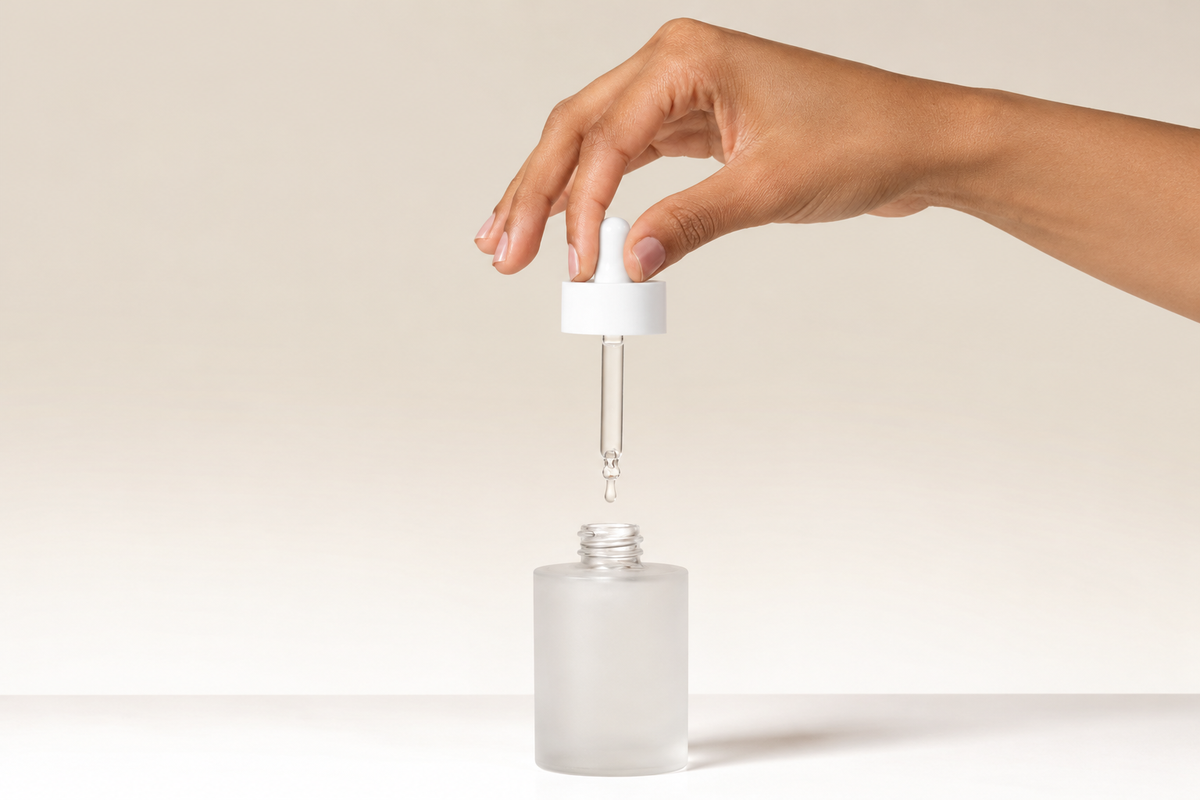
- Dropper (30 ml / 50 ml / 100 ml): Apply a few drops directly to a dry scalp at night, parting hair in sections, and leave it on without rinsing. Currently priced from ₹598 (30 ml, down from ₹795), ₹815 (50 ml, down from ₹995), and ₹1,551 (100 ml, down from ₹1,895), in stock, listed as "selling fast."
- Roll-on (25 ml): The same actives complex in a roll-on applicator, useful if a dropper feels fiddly or you travel often. Roll it directly onto clean, dry scalp, not the hair strands, using about 1 to 1.5 ml per application, then massage in with fingertips; usable day or night. Currently priced at ₹579, down from ₹795, in stock. The roll-on tip makes it easier to target a widening parting or the temples precisely without oversaturating the surrounding hair, which is the main practical reason to choose it over the dropper rather than the reverse.
Either format calls for consistent nightly (or daily) use over at least three months before judging results, since hair growth is slow regardless of the active applied.
2. Redensyl & Anagain Advanced Hair Growth Serum for Dandruff-Prone Scalp: for hair fall with flaking or itch
If dandruff or a flaky scalp is part of what's driving the shedding, the Advanced Hair Growth Serum For Dandruff-Prone Scalp is a newer, separate product built on the same Redensyl-and-Anagain base, with Korean black rice, Baicapil, saw palmetto, and amino acids added for hair fall support alongside actives aimed at flaking. It's a lightweight, non-greasy, leave-in spray rather than a dropper or roll-on: spray it directly onto a dry or towel-dried scalp, part by part, and leave it on without rinsing. Pilgrim's own 32-person study behind this product claims 95% observed increased hair growth, 93% observed reduced dandruff, and 92% experienced reduced hairfall at 28 days, again, brand-reported figures rather than independent trial data. It's a single 30 ml size, currently ₹560 (down from ₹799), and is in stock with a "new launch" listing.
How do you choose between these two serums?
If dandruff, flaking, or an itchy scalp isn't part of your picture, the dropper or roll-on format of the core serum is the more direct choice, and the roll-on is simply a mess-free applicator for the same actives. Pick it for portability or precision, not because it works differently. If flaking or dandruff is part of the shedding pattern, the dandruff-prone-scalp serum targets both concerns from the same actives family, in a spray format that's easier to apply section-by-section on a flaky scalp. One product worth flagging honestly: Pilgrim's RootActive™ Anti-Hairfall Serum With Spanish Rosemary is live on the site at ₹495 but currently shows a "Coming Soon" button rather than an active "Add to Cart," so it isn't purchasable yet. It's worth checking back on, but not one of the two serums reviewed above. You can browse the full, current range on Pilgrim's hair serums collection page.
Whichever format you pick, the honest expectation-setting matters more than the product itself: cosmetic actives like Redensyl, Anagain, and Capilia Stem Cell Complex are supported mainly by brand-funded consumer panels rather than independent peer-reviewed trials, hair growth is slow under any regimen, and a noticeable September shedding phase may simply be following its own seasonal curve regardless of what's applied to the scalp. If shedding is accompanied by visible bald patches, a receding hairline, or sudden clumps of hair loss rather than gradual thinning, that's a signal to see a dermatologist rather than to add another serum.
Frequently asked questions
What is the best hair growth serum for hair fall to start with?
The Redensyl, Anagain & Capilia Stem Cell Complex Advanced Hair Growth Serum, in whichever format (dropper or roll-on) fits your routine, is the most logical starting point among Pilgrim's currently purchasable hair-fall serums, since it's the core actives complex with the widest size range.
What's the difference between the dropper serum and the roll-on serum?
They share the same 3% Redensyl, 4% Anagain, and 5% Capilia Stem Cell Complex actives base; the difference is purely the applicator. The dropper suits an all-over scalp application across sections, while the roll-on is better for targeting a specific area, like a widening parting or the temples, without oversaturating the surrounding hair.
Should I choose the dandruff-prone-scalp serum instead of the standard one?
Choose the dandruff-prone-scalp spray only if flaking, itching, or visible dandruff is part of your hair fall picture. It carries the same core hair-fall actives as the standard serum, with the formula and application format (a leave-in spray) built around a flaky scalp. If dandruff isn't a factor, the standard dropper or roll-on serum is the more direct choice.
How long does it take to see results from a hair growth serum?
Most hair growth serums, including Pilgrim's, need at least three consecutive months of consistent use before density changes are meaningfully visible, since hair growth itself is slow. Pilgrim's own consumer-panel data claims changes by 28 days, but that figure is brand-reported rather than from an independent clinical trial.
Is more hair fall in September and October actually normal?
Yes, a documented seasonal pattern exists: a six-year study of 823 women found telogen (resting) hair rates were highest in summer through early autumn and lowest in winter. A modest late-September uptick in shedding is consistent with that pattern and typically eases on its own within weeks to a couple of months.
Are Redensyl, Anagain, and Capilia Stem Cell Complex backed by independent research?
No independent peer-reviewed clinical trial on these specific proprietary complexes turned up in PubMed/NCBI searching for this post. The efficacy figures Pilgrim cites for its serums come from its own consumer panels, which is brand-reported evidence, not independent science, a meaningfully different standard of proof than an ingredient with published, third-party trial data.
Do I still need a shampoo alongside a hair growth serum?
A serum works on the scalp and follicle; cleansing is a separate step, and a gentle, sulfate-free shampoo used alongside any hair growth serum is a reasonable routine addition. That said, shampoo choice isn't covered with individual product write-ups in this post, which focuses specifically on leave-on serums.
When should hair fall be checked by a dermatologist instead of managed with a serum?
Hair fall is worth a dermatologist visit when it shows up as a receding hairline, distinct bald patches, sudden clumps of loss, or overall visible thinning rather than gradual, diffuse shedding. These patterns can indicate androgenetic alopecia, alopecia areata, or an underlying medical cause that a serum alone won't address.
References
- Kunz, M., Seifert, B., and Trüeb, R. M. "Seasonality of hair shedding in healthy women complaining of hair loss." Dermatology, 2009. PubMed
- Patel, D. P., Swink, S. M., and Castelo-Soccio, L. "A Review of the Use of Biotin for Hair Loss." Skin Appendage Disorders, 2017. PubMed
- "Telogen effluvium (hair shedding)." DermNet NZ. dermnetnz.org
- "Hair loss: Overview." American Academy of Dermatology. aad.org